

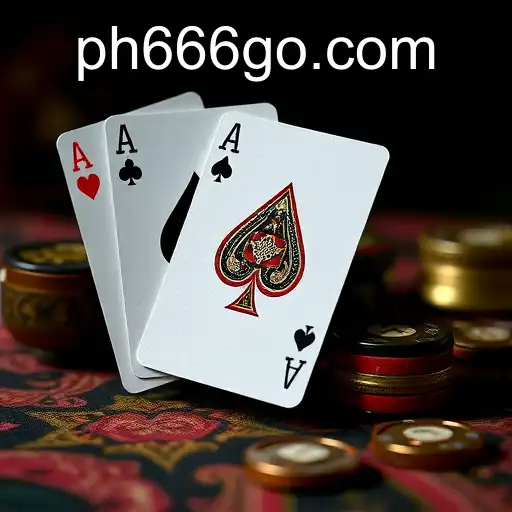

Card games have been a staple of amusement and social interaction for centuries. Their portability, ease of play, and endless variety have captivated players old and young all over the world. One intriguing term that has become increasingly popular in online card gaming circles is 'ph666'. In this article, we delve into the multifaceted world of card games and explore what 'ph666' could mean in this context.
Card games have a rich history that can be traced back to ancient times. Originating in the East, they slowly made their way to the West, where they evolved into the numerous forms we are familiar with today. The charm of card games lies in their adaptability and the diverse range of experiences they offer, from solitary seatings to strategic battles in social gatherings.
The invention of playing cards is often attributed to China during the Tang Dynasty, where paper was readily available and cultural life was blooming. From the East, they traveled through the Islamic world before arriving in Europe during the late Middle Ages. Over time, different cultures began incorporating their traditional symbols and figures, giving rise to a wide array of decks seen today.
With the internet revolution, card games have successfully transitioned to digital platforms, leading to a resurgence in their popularity. Online card games offer a myriad of advantages, such as connecting players from around the globe, allowing users to play anytime, and providing new game variations at the click of a button. This advancement also enabled the emergence of various specialized gaming communities, among them, those centered around the term 'ph666'.
The appeal of online card games is not just in convenience but also in their ability to integrate traditional gaming with modern technology. Multiple online platforms now offer everything from timeless classics like Poker and Solitaire to innovative new games that blend different genres and rules.
While 'ph666' might initially seem cryptic, in the card gaming universe, it represents a moniker or a code associated with a specific community or platform. Often, terms like these are used within online game hubs to connect users who appreciate similar styles of play or have shared goals. Ph666 might suggest a complex set of rules, tournament formats, or even an allegiance to a particular group of card game enthusiasts who enjoy dark or mythically themed games.
The virtual space often allows for such unique identities and communities to flourish. Players often create unique usernames and codes like ph666 to represent their gaming styles or series of achievements. It's not unusual for these identifiers to become central symbols within certain gaming cultures, offering both a sense of belonging and exclusivity.
Card games can be broadly divided into various categories based on their mechanics and play style. Here's a look at some of the most widely played card games:
These games, like Bridge and Spades, involve players taking turns playing a single card, and the highest-ranking card wins the trick. The enjoyment in these games lies in strategies and partnerships which test players' skills and teamwork.
Games like Blackjack and Poker are largely based on luck but require a keen understanding of odds and bluffing. They combine aspects of gambling and skill, and their online variants have gained immense popularity.
Games like Magic: The Gathering and Hearthstone have redefined the card gaming landscape. Players amass cards that represent various characters and spells, crafting decks tailored to specific strategies. These games often carry rich backstory and lore, captivating those who enjoy both competition and narrative depth.
A staple of solitary play, these games like Klondike Solitaire and Spider Solitaire require the player to achieve pre-defined objectives. Their digital versions have made them accessible across devices, loved for their simple rules and calming effect.
Card games have not only entertained but have also reflected cultural sentiments throughout history. Different regions have imbued their personality into card games, leading to regional favorites with localized play styles and motifs.
In traditional card games, the design of the cards often represents cultural icons and storytelling. For example, the French deck's suits of hearts, diamonds, clubs, and spades are believed to represent different classes of medieval society. In India, Ganjifa cards hold historical significance and are lavishly painted, closely tied to the rich heritage of the region.
The world of card games is vast and varied, bridging cultures and generations while continuously evolving with modern advancements. The emergence of terms like ph666 signifies the thriving online card gaming community, where players find new avenues to engage with their favorite pastime. Whether in a physical deck or a virtual arena, the joy of card games remains steadfast, inviting players to strategize, socialize, and explore endless possibilities.
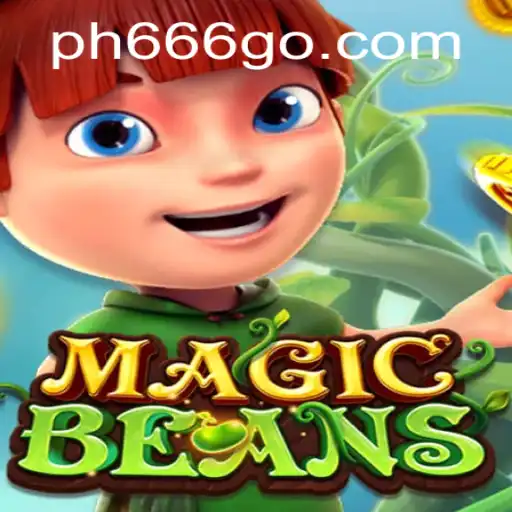
An insightful guide into MAGICBEANS, exploring its captivating gameplay, fascinating rules, and the thrilling experience it offers to players.

Dive into the untamed world of JungleParty, a thrilling game that combines the excitement of strategy and exploration in a jungle setting. Explore game mechanics, introductions, and updates.

Explore the enchanting world of NekoFortune, a game where strategy and luck intertwine amidst captivating events.

Dive into the exhilarating world of HighStriker, a game that combines strategy, skill, and excitement in a captivating experience.

Explore the captivating world of Fortune Ox, a dynamic game that merges traditional themes with exciting gameplay, while integrating the latest interactive features for enthusiasts.

Explore the immersive universe of StempedeRushTrident, a groundbreaking game that combines strategic mastery with adventure-driven gameplay.
